
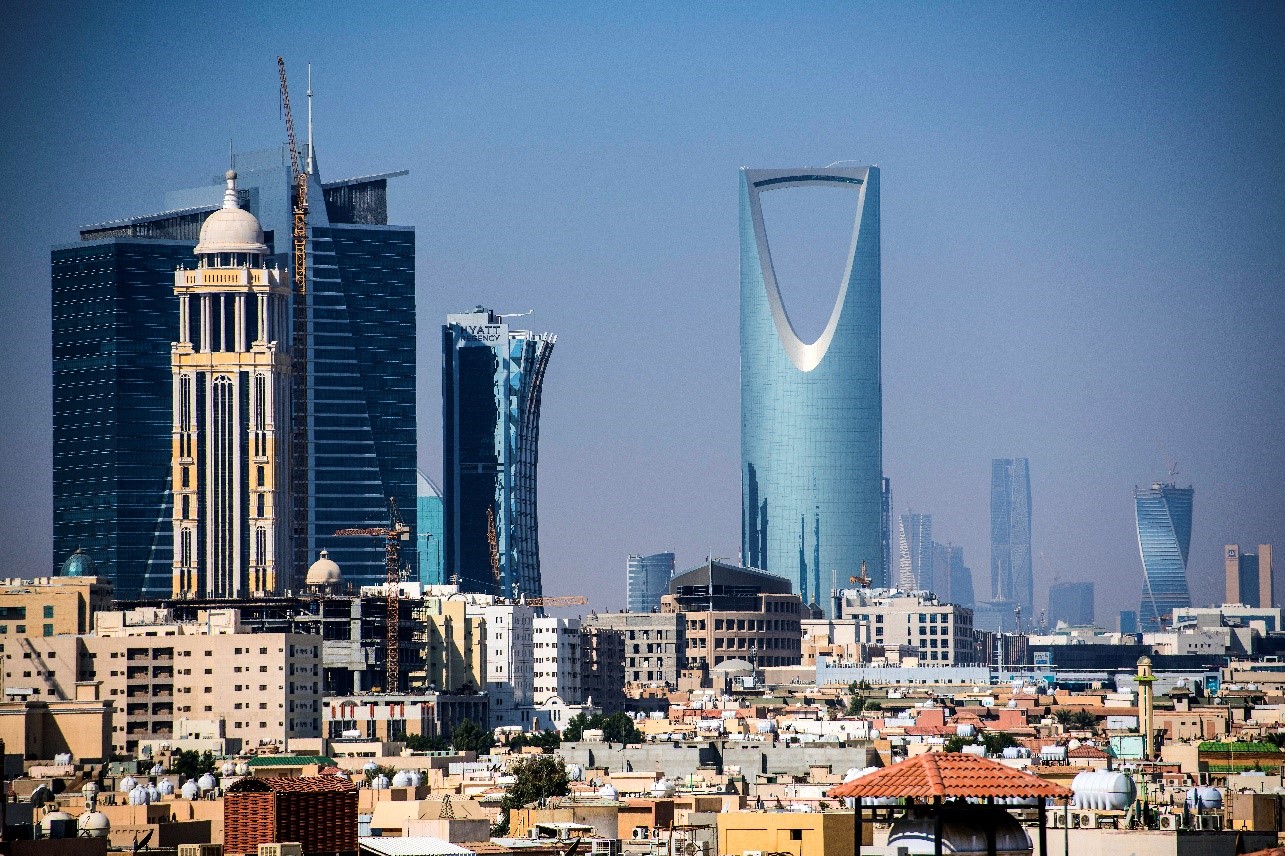
The General Real Estate Authority announced that the new regulatory framework governing property ownership for non-Saudi nationals has officially come into effect as of Thursday, 22 January 2026 (3 Sha’ban 1447 AH). The provisions of the system are now fully active and integrated into the Kingdom’s broader real estate governance structure. The authority clarified that applications from non-Saudi individuals and entities wishing to acquire property are processed through the designated digital channels, which serve residents within the Kingdom, non-residents abroad, and foreign companies and organizations—each according to specific legal requirements and procedural steps. According to the authority, the ownership process differs based on the applicant’s category. Residents inside the Kingdom may submit applications electronically using their residency identification, with automated verification ensuring all requirements are met. Non-resident applicants begin their journey through Saudi embassies and representations abroad, where a digital identity is issued to enable them to complete the application electronically. Foreign companies without a presence in the Kingdom must first complete investment registration procedures through the Ministry of Investment to obtain a unified commercial identifier before proceeding with real estate ownership steps. The authority emphasized that the system grants non-Saudi individuals and entities the ability to own real estate across various regions of the Kingdom. Ownership is governed by a clear regulatory framework rooted in geographic zoning principles, which outline designated areas where real estate ownership is permitted. The authority also noted that property ownership in Makkah and Madinah is limited to Saudi-registered companies and Muslim individuals, whether residing in the Kingdom or abroad. The system is designed to enhance transparency and secure ownership rights through digital integration with the real estate registration ecosystem, ensuring that all procedures are completed electronically and in accordance with regulatory requirements. Furthermore, the authority highlighted that the updated framework aims to strengthen the real estate sector by attracting international developers and global firms, supporting growth across residential, commercial, industrial, and tourism activities, and creating opportunities for national talent within the expanding real estate economy. This contributes to the sector’s sustainable and long-term role in the Kingdom’s non-oil GDP. The authority encouraged interested applicants to refer to its official channels for guidance and further information regarding ownership procedures.
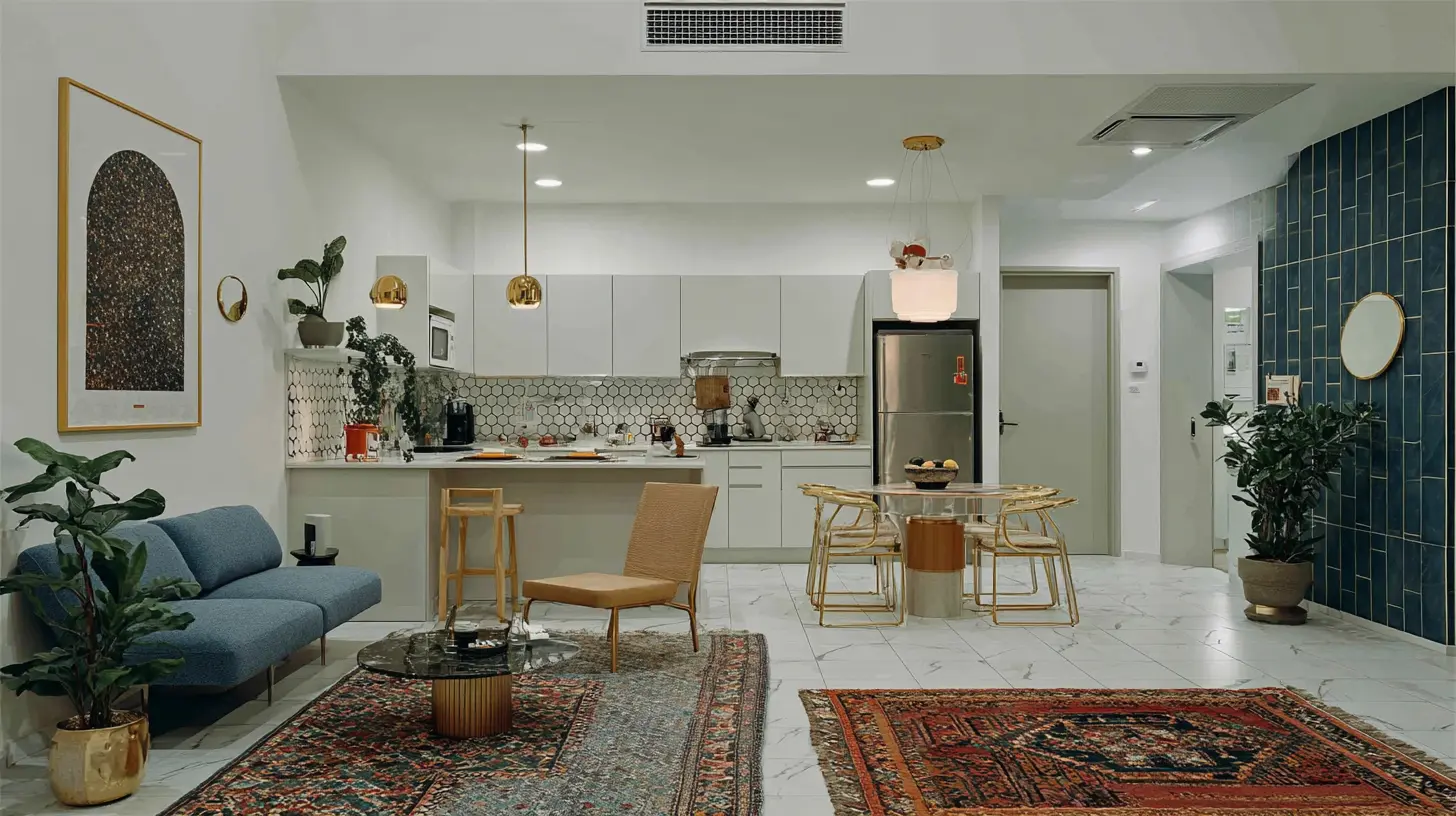
Demand for furnished rentals—short to medium-term—has been rising across several Saudi cities, supported by labor-market expansion and higher workforce mobility, particularly among young professionals...
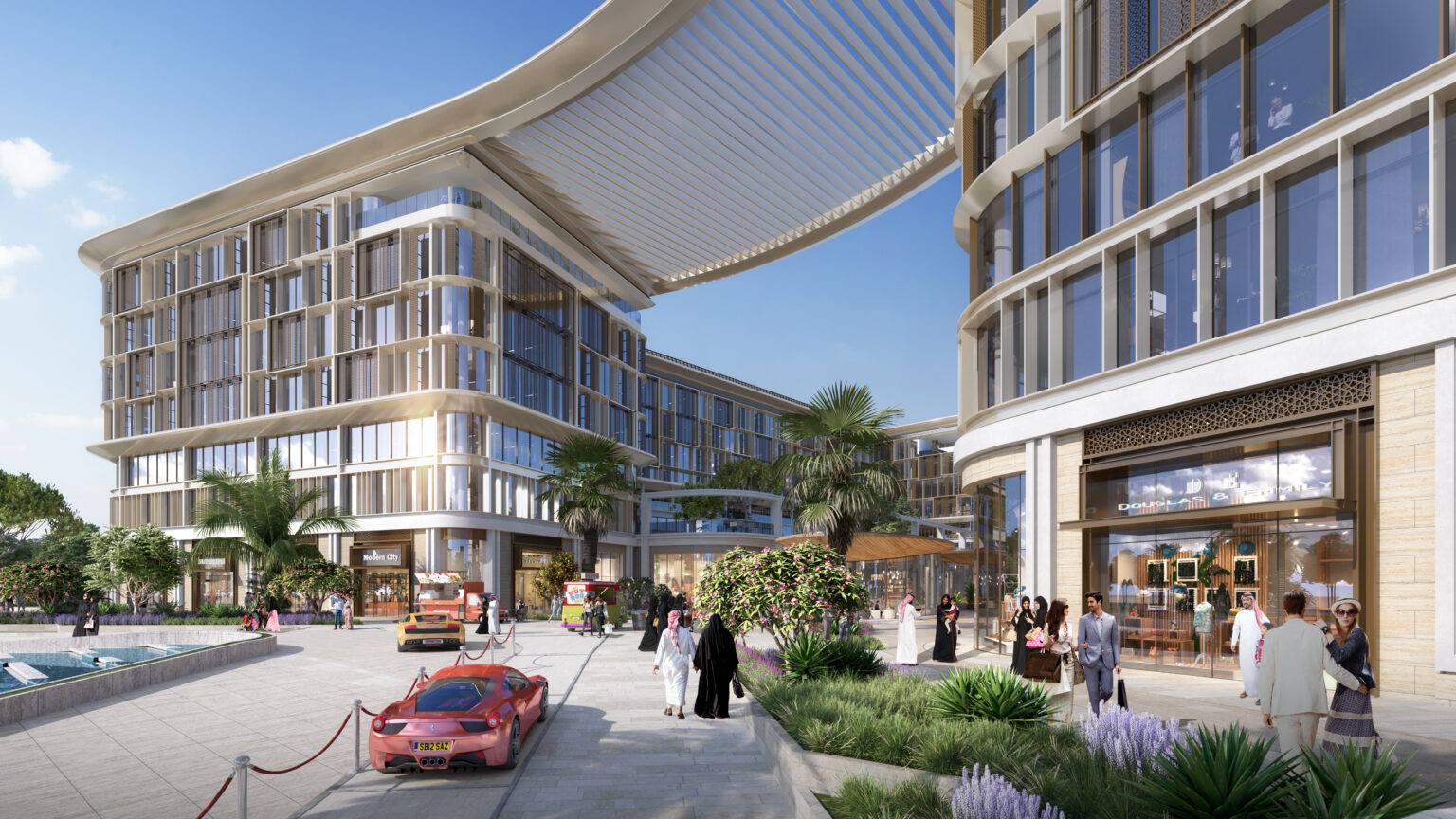
Saudi Arabia’s real estate market is increasingly embracing mixed-use communities—projects that integrate residential, retail, office, services, and leisure within a single master-planned destination....
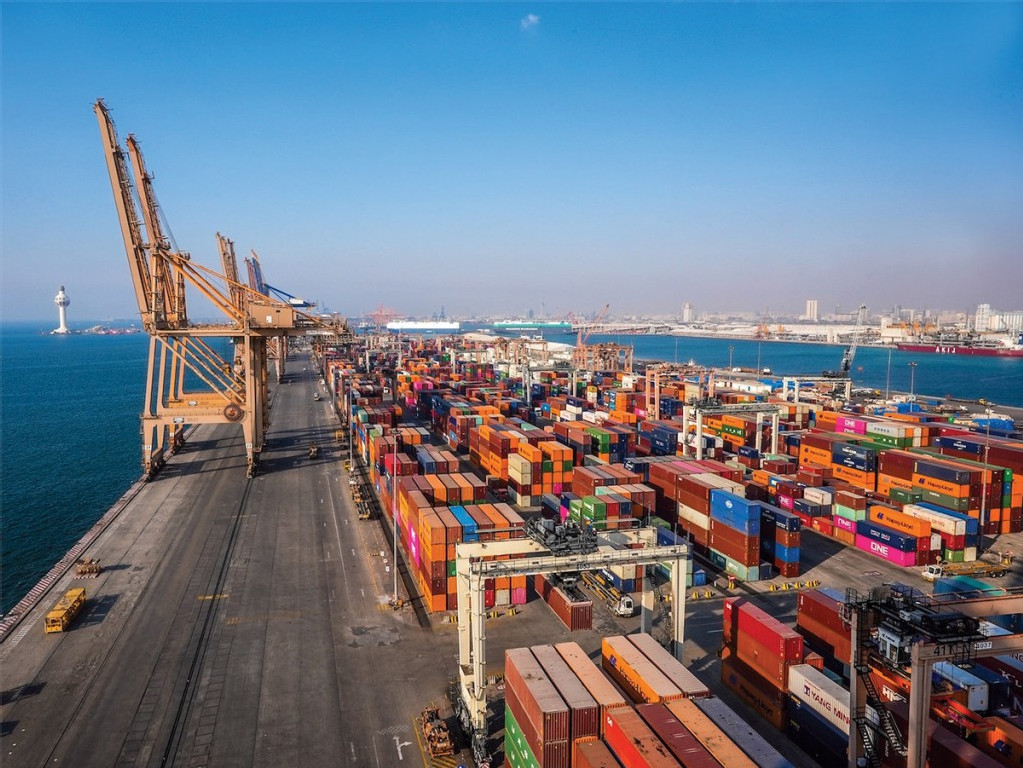
Industrial real estate in Saudi Arabia continues to expand as supply chains grow and e-commerce accelerates nationwide. This has fueled demand for modern warehouses and logistics centers, particularly...
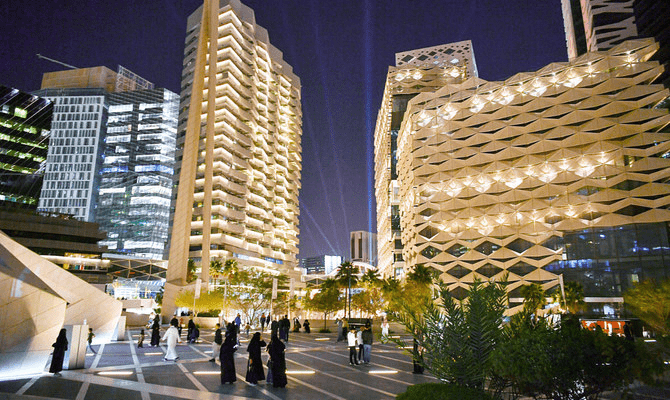
Saudi Arabia’s hospitality sector has seen substantial growth over the past two years, driven by an increase in domestic tourism and a surge in cultural, entertainment, and sporting events. This trend...
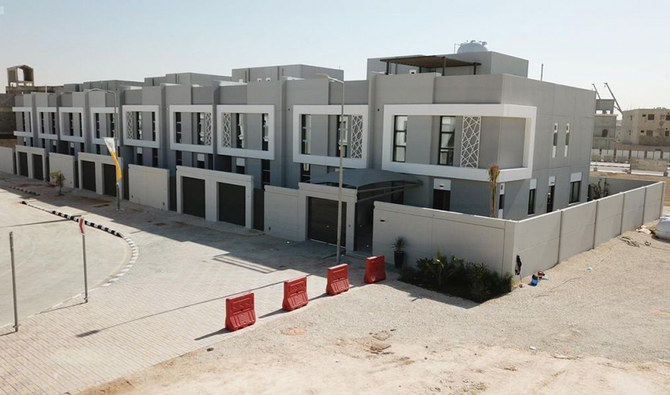
Secondary cities across Saudi Arabia — including Abha, Qassim, and Tabuk — are experiencing a notable surge in demand for mid-income housing. This shift reflects broader demographic changes, with more...
In line with the earlier directive issued by His Royal Highness Prince Mohammed bin Salman bin Abdulaziz Al Saud, Crown Prince and Prime Minister, a new set of regulatory actions aimed at stabilizing...
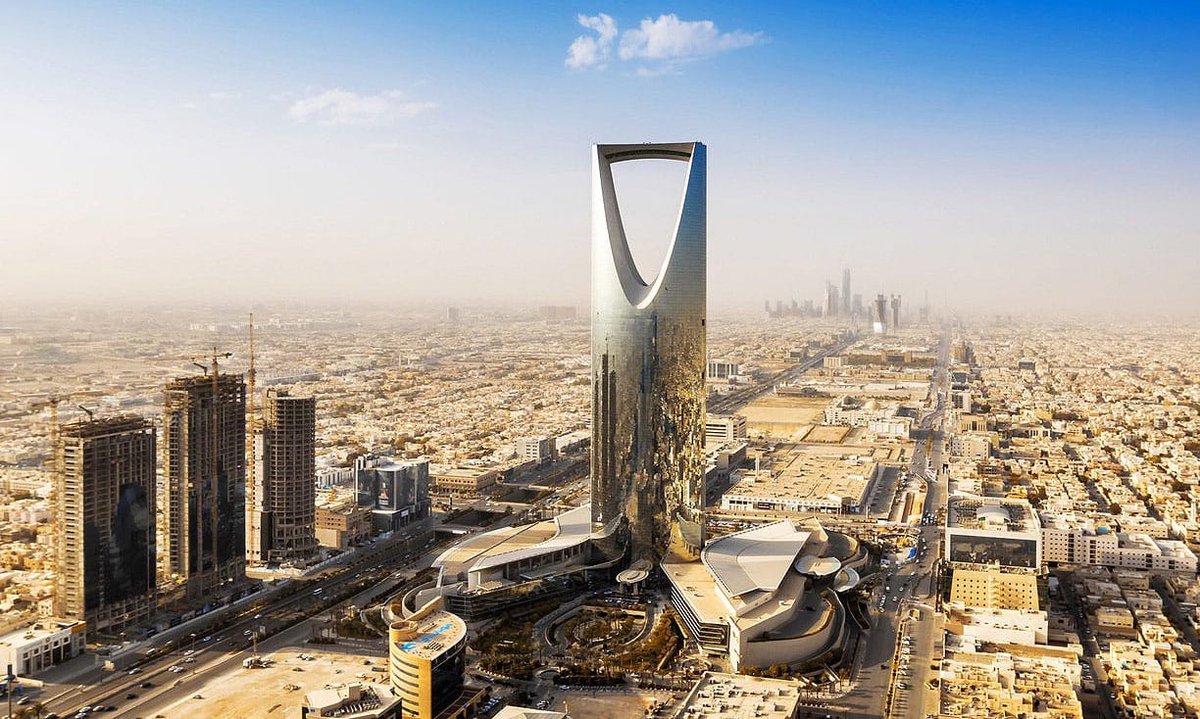
The updated system for non-Saudis to own real estate and acquire real rights over it within the Kingdom will be implemented starting from the beginning of 2026. Saudi Minister of Municipalities and...
Demand for furnished rentals—short to medium-term—has been rising across several Saudi cities, supported by labor-market expansion and higher workforce mobility, particularly among young professionals...
each ($another_news as $another_new)
Saudi Arabia’s real estate market is increasingly embracing mixed-use communities—projects that integrate residential, retail, office, services, and leisure within a single master-planned destination....
each ($another_news as $another_new)
Industrial real estate in Saudi Arabia continues to expand as supply chains grow and e-commerce accelerates nationwide. This has fueled demand for modern warehouses and logistics centers, particularly...
each ($another_news as $another_new)
Saudi Arabia’s hospitality sector has seen substantial growth over the past two years, driven by an increase in domestic tourism and a surge in cultural, entertainment, and sporting events. This trend...
each ($another_news as $another_new)
Secondary cities across Saudi Arabia — including Abha, Qassim, and Tabuk — are experiencing a notable surge in demand for mid-income housing. This shift reflects broader demographic changes, with more...
each ($another_news as $another_new)
In line with the earlier directive issued by His Royal Highness Prince Mohammed bin Salman bin Abdulaziz Al Saud, Crown Prince and Prime Minister, a new set of regulatory actions aimed at stabilizing...
each ($another_news as $another_new)
The updated system for non-Saudis to own real estate and acquire real rights over it within the Kingdom will be implemented starting from the beginning of 2026. Saudi Minister of Municipalities and...
التعليقات